

Did you know nearly 65% of Americans own their primary residence? This shows how big the dream of owning property is in the United States.
But, getting into the real estate market is tough. Many renters feel lost when they think about becoming homeowners.
Knowing what you need to buy a house is key. Getting ready helps you deal with mortgage rules and down payments confidently.
This guide makes the journey from renting to owning your first home easy. We’ll look at the financial steps to make sure your path to homeownership is smooth.
Improving your credit and saving money makes you a strong buyer. Let’s dive into the main things you need to make owning a home a reality.
What Do You Need to Buy a House
Buying a house in the real estate market requires knowing the basics. Many people feel lost in the process. But, breaking it down into simple steps makes it easier to understand.
To buy a home in the U.S., you need a strong financial base. Lenders check for certain signs of stability before approving a mortgage. These key points show you’re ready for the big responsibility of owning a home:
- A good credit score for better interest rates.
- A steady job and proof of monthly income.
- A debt-to-income ratio that shows you can handle new payments.
- Enough savings for a down payment and closing costs.
You also need the right documents to show you qualify. This includes tax returns, bank statements, and pay stubs. Getting pre-approved for a mortgage early is crucial. It shows sellers you’re serious about buying.
Lastly, don’t forget the importance of professional help. A licensed real estate agent can guide you through tough negotiations. Also, getting a professional home inspection is key. It finds any problems before you buy.
Building a Strong Financial Foundation
A solid financial foundation is key for your future home buying journey. When you’re ready to buy, focusing on your financial health is crucial. Lenders check your profile to see if you’re a reliable borrower who can handle long-term debt.
Maintaining a Healthy Credit Score
Your credit score shows how financially responsible you are. A higher score can get you lower interest rates, saving you money over time. Check your credit reports from Equifax, Experian, and TransUnion to make sure they’re right.
If you spot mistakes, fix them fast to protect your score. Paying bills on time and keeping credit card balances low helps build a strong profile. Here’s a table to show how different scores affect your mortgage options.
| Credit Score Range | Borrower Status | Typical Loan Impact |
|---|---|---|
| 740 – 850 | Excellent | Best interest rates and terms |
| 670 – 739 | Good | Competitive rates available |
| 580 – 669 | Fair | Higher rates; limited options |
| 300 – 579 | Poor | Difficult to secure financing |
Demonstrating Stable Income and Employment
Lenders want to see you can afford monthly mortgage payments without trouble. They look for a steady job history, usually two years or more with the same employer. This shows your income is stable and reliable for the loan term.
If you’re self-employed or have variable income, you’ll need to provide extra documents like tax returns. Keeping these records in order is important for your home buying checklist. By showing you can manage your finances well, you look like a low-risk borrower to lenders.
Managing Your Budget and Debt
Getting a home depends a lot on managing your debt and income. It’s crucial to control your finances well. This affects how much you can buy and your financial future.
Calculating Your Debt-to-Income Ratio
Lenders check your debt-to-income (DTI) ratio to see if you can handle payments. This ratio shows how much of your income goes to debt. It includes things like student loans, credit cards, and car payments.
To find your DTI, add up all your monthly debt. Then divide that by your monthly income. A lower ratio means you can likely afford a mortgage.
Understanding Monthly Payments and Hidden Costs
Many buyers only think about the mortgage. But, owning a home comes with other costs. Knowing these costs early helps keep your budget safe.
There are more expenses than just the mortgage. You also need to think about property taxes, insurance, and maintenance. These costs protect your home and keep it in good shape.
| Expense Category | Description | Frequency |
|---|---|---|
| Property Taxes | Local government levies based on home value. | Annual/Semi-annual |
| Homeowners Insurance | Coverage for damage and liability. | Monthly/Annual |
| Maintenance Fund | Savings for repairs and upkeep. | Ongoing |
It’s wise to save for unexpected repairs. By planning for these costs, you can enjoy your home without financial stress.
Securing Your Mortgage and Funding
Getting the right funding is key to owning a home. Knowing the financial world helps you avoid mistakes. These steps are crucial for buying a home successfully.
The Importance of Mortgage Pre-Approval
Getting a mortgage pre-approval is a big step. It shows sellers you’re serious and ready to buy. Lenders check your finances to see how much they can lend.
This document gives you an edge in a competitive market. It proves your financing is ready. It’s a must-have for any serious buyer.
Saving for Your Down Payment
Building a big down payment takes time and discipline. Putting down 20% can save you money each month. It also gives you equity right away.
Start saving a part of your income each month. Use automatic transfers to keep your savings growing. Saving regularly is crucial for financial readiness.
Preparing for Closing Costs
Don’t forget about closing costs. These fees, from 2% to 5% of the loan, cover many things. You need to plan for these to avoid surprises.
| Expense Category | Estimated Cost Range | Payment Timing |
|---|---|---|
| Down Payment | 3% – 20% of Price | At Closing |
| Closing Costs | 2% – 5% of Loan | At Closing |
| Home Inspection | $300 – $600 | Pre-Closing |
| Appraisal Fee | $400 – $800 | Pre-Closing |
Looking at these costs early helps you plan better. Being ready for these expenses makes buying a home easier and less stressful.
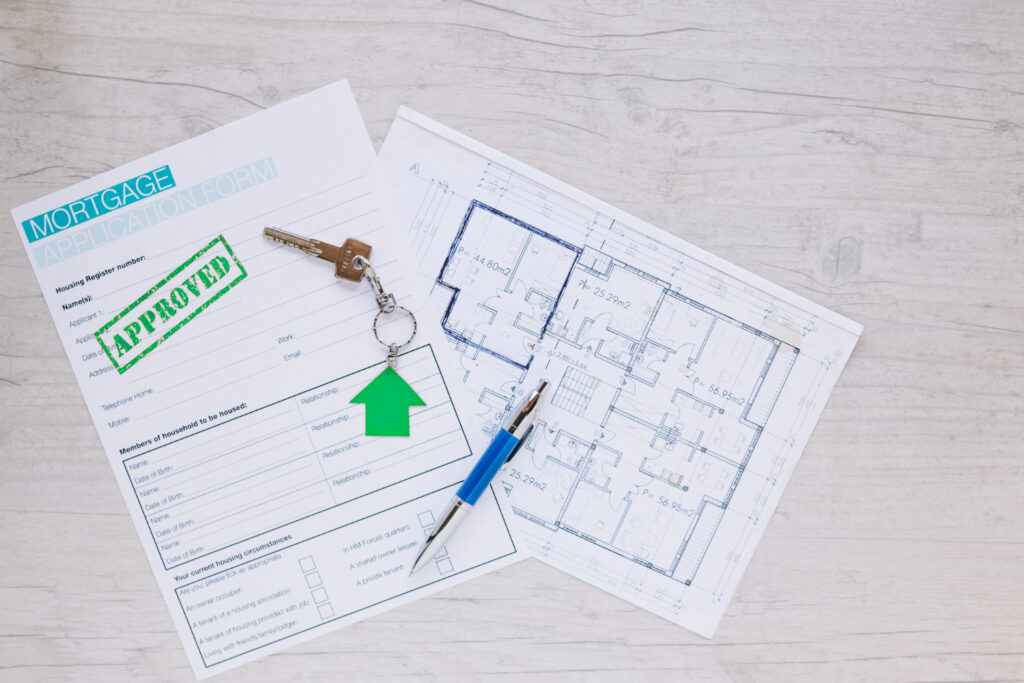
Essential Documentation and Professional Support
Buying a house is complex and needs careful planning and expert help. Start early to avoid stress and keep your path to owning a home smooth.
Gathering Necessary Financial Documents
Lenders want to see your financial history to approve your loan. It’s crucial to have all your documents ready before looking at houses. This way, you won’t face delays when your loan is being processed.
Here are the key documents you’ll need for buying a house:
- Recent federal tax returns for the past two years.
- Current pay stubs covering at least the last 30 days.
- Bank statements from all accounts for the previous two to three months.
- Documentation of any additional income sources or assets.
Working with a Real Estate Agent or Advisor
Working with a good real estate agent or Advisor is key. They know the local market well. They help you find the right house for you and filter out the wrong ones.
Your agent is a skilled negotiator who looks out for your interests. They also give you insights on neighborhoods and property values. This helps you make a smart choice. Relying on their expertise makes the process easier and clearer.
Evaluating the Property
Finding your dream home means looking beyond the surface. A property might look great, but its structure is key. Knowing what to check helps you avoid surprises later.
The Role of a Professional Home Inspection
A professional home inspection is your first line of defense. Inspectors check the building’s mechanical and structural parts for problems. They look for things like foundation cracks, old electrical wiring, or leaks.
This step gives you real information about the home’s condition. If big issues are found, you can talk about a lower price or repairs. This makes sure your investment is safe and secure for years.
| Inspection Area | Common Issue | Potential Impact |
|---|---|---|
| Foundation | Visible Cracks | Structural Instability |
| Electrical | Outdated Wiring | Fire Hazard Risk |
| Plumbing | Pipe Corrosion | Water Damage |
| Roofing | Missing Shingles | Interior Leaks |
Common Mistakes to Avoid When Buying a House
Even with the right things needed for home purchase, many buyers stumble due to avoidable errors. You might have your finances in order, but small mistakes during the mortgage process can cause big problems. Knowing these traps helps you stay on track to closing.
One big mistake is changing your financial situation after applying for a loan. Lenders watch your credit and debt levels until closing. Taking on new debt or changing jobs can hurt your chances of approval.
It’s important to be disciplined with your finances. Avoid making large, unexplained deposits in your bank accounts. These often need detailed documentation to prove where the money came from. Keeping your finances steady and clear helps protect your loan approval and ensures a smooth move into your new home.
| Common Mistake | Potential Impact | Recommended Action |
|---|---|---|
| Opening new credit lines | Lowers credit score | Wait until after closing |
| Changing employment | Delays loan approval | Maintain current job |
| Large cash deposits | Triggers audit delays | Keep funds in one account |
| Ignoring hidden costs | Budget shortfall | Plan for extra expenses |
Strategic Advice for First-Time Buyers
Buying a home is just the start of your financial journey. Meeting basic property buying requirements is the first step. But, managing ongoing expenses is key to long-term success. Planning for these costs ensures you stay financially secure after buying.
Navigating Hidden Costs of Homeownership
Homeownership comes with many recurring expenses that surprise first-time buyers. You’ll need to pay for maintenance, landscaping, and emergency repairs. You’ll also face annual property tax increases and rising insurance costs.
- Routine maintenance and landscaping services.
- Emergency repairs for plumbing, electrical, or HVAC systems.
- Annual property tax increases and rising homeowners insurance premiums.
- Utility costs that may be higher than those in a rental unit.
It’s wise to set aside an emergency fund for these costs. This fund helps avoid unexpected expenses that could disrupt your budget or lead to debt.
Understanding Market Timings and Trends
Timing your home purchase can greatly affect your budget. It’s hard to predict market highs and lows, but knowing local trends helps. This knowledge can guide your buying decisions.
When looking at buying a new home, consider interest rates and seasonal inventory. Winter often means less competition, which can help with negotiations. Spring, however, brings more inventory but also more buyers, leading to bidding wars. By understanding these patterns, you can find the best time to buy, saving money and stress.
Preparing for the Closing Process
Reaching the closing stage is the last step before you own your home. It’s when the property officially changes hands from the seller to you. Knowing what to expect helps you stay organized and manage your expectations.
You’ll need to sign a lot of paperwork during this time. This includes your loan documents, the property deed, and state-specific disclosures. It’s important to read these documents carefully to ensure everything is correct before you sign.
Getting ready for closing day is crucial for a smooth experience. Make sure you have all your documents ready well in advance. Having your ID, insurance proof, and funds ready will help the process go smoothly.
| Document Type | Purpose | Action Required |
|---|---|---|
| Closing Disclosure | Final loan terms | Compare with Loan Estimate |
| Promissory Note | Debt obligation | Sign and notarize |
| Property Deed | Ownership transfer | Review for accuracy |
| Title Insurance | Ownership protection | Verify coverage details |
After signing and verifying the funds, the deed is recorded with the local government. This makes you the official homeowner. By being thorough in this final stage, you ensure a smooth transition into your new home.
Conclusion
Buying a house is a big step in life that needs careful planning and money management. You now know how to move through the real estate market with confidence.
Success in this journey depends on keeping your finances strong. Good habits and expert advice can make owning a home a reality for your family.
Before you make any big decisions, check your budget and credit score. Talk to trusted lenders or real estate experts to get ahead in your local market.
Your hard work in preparation will lead to a stable future. Start looking for a home today with confidence. Your long-term dreams are within reach.
FAQ
What are the primary house buying essentials for a successful purchase?
To buy a house, you need a solid financial base. This includes a good credit score, stable income, and a manageable debt-to-income (DTI) ratio. You should also get a mortgage pre-approval from lenders like Chase or Wells Fargo. Saving for a down payment and hiring a home inspector are key steps too.
What should be included in a comprehensive home purchase checklist?
A detailed home purchase checklist focuses on financial readiness. It includes getting a mortgage pre-approval and calculating your DTI. You should also save for closing costs, which are usually 2% to 5% of the loan amount. Gathering essential documents like tax returns and bank statements is crucial. Finding a reliable real estate agent is also vital.
What are the most important steps to buy a house for first-time owners?
The journey to buying a house starts with a strong financial foundation. This means maintaining a high credit score and steady employment. Once your finances are in order, get pre-approved for a mortgage. Then, search for properties within your budget and have a home inspected. Finally, navigate the closing process to transfer legal ownership.
What are the essential documents for house purchase I need to gather?
For the underwriting process, you’ll need several documents. These include the last two years of tax returns, W-2 forms, recent pay stubs, and bank statements. Lenders like Quicken Loans or Bank of America need these to check your income and ability to manage a mortgage.
Why is a home inspection listed among the purchasing a house must-haves?
A home inspection is crucial because it protects your investment. An inspector from a firm like Pillar To Post can find hidden issues. This gives you leverage in negotiations and ensures the property is safe.
What are the property buying requirements regarding the debt-to-income ratio?
Lenders usually want a debt-to-income (DTI) ratio of 43% or lower. This ensures you can afford your monthly payments. Calculating your DTI helps you understand your purchasing power before you start looking.
What buying a new home necessities should I budget for beyond the purchase price?
When buying a new home, consider more than just the price. Budget for property taxes, homeowners insurance, private mortgage insurance (PMI), and maintenance. Experts at companies like Zillow suggest setting aside for unexpected repairs.
What are the most common mistakes to avoid when identifying things needed for home purchase?
Don’t take on new debt, like financing a car, during the home-buying process. Also, avoid changing jobs or becoming self-employed before applying for a loan. These actions can harm your financial profile and mortgage approval.
How does a real estate agent help with the property buying requirements?
Working with a professional agent, like those from Century 21 or Keller Williams, is beneficial. They guide you through the process, help with documents, negotiate, and keep you updated on the market. This ensures you get the best deal.
What should I expect during the closing process?
The closing process is the final step where you sign important documents. Bring your ID and a cashier’s check for closing costs. Being prepared ensures a smooth process, allowing you to get the keys to your new home without delays.