
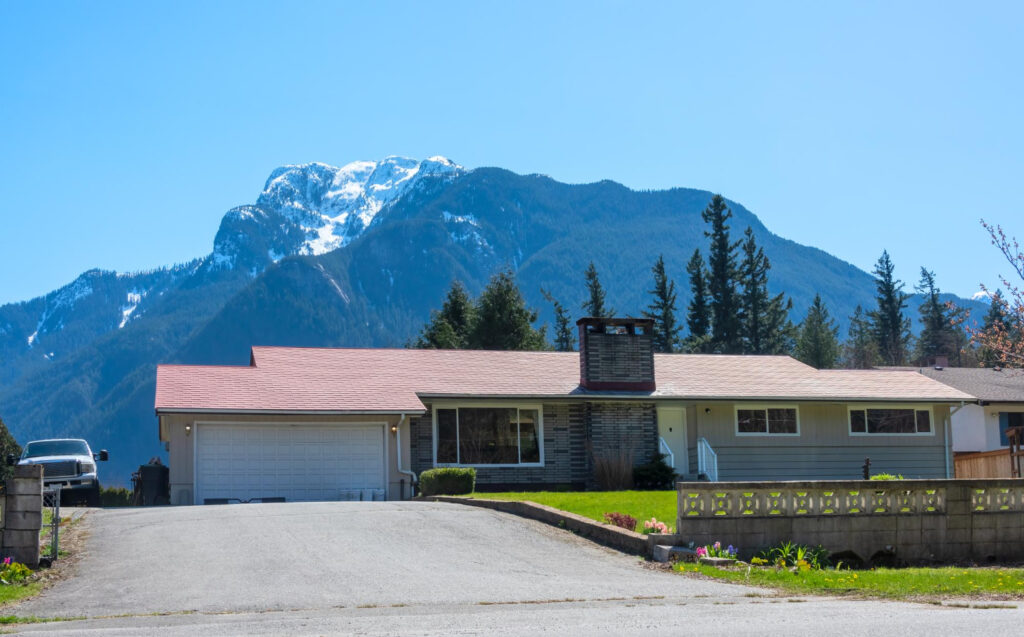
Ask ten people why they’re looking at real estate in the Flathead Valley, and you’ll probably get ten different answers — Glacier National Park is thirty minutes away, the summers are gorgeous, remote work finally made it possible, or a family already put down roots there. Whatever brought you here, the Flathead Valley market has its own personality, and it doesn’t behave like most places we talk about on this blog.
This guide walks through what’s actually happening across Kalispell, Whitefish, Columbia Falls, and Bigfork right now, and what to know whether you’re buying, selling, or just watching from a distance.
Why the Flathead Valley Keeps Drawing Buyers
Northwest Montana’s appeal isn’t complicated. You’ve got Glacier National Park anchoring the north end of the valley, Flathead Lake — the largest natural freshwater lake west of the Mississippi — stretching along the south, and a genuine four-season outdoor lifestyle that draws skiers, hikers, and boaters in roughly equal measure. Add in a wave of remote workers who realized their job didn’t actually require living near an office, and you’ve got sustained demand that’s reshaped the entire region over the past several years.
That demand shows up differently depending on where you look, which is exactly why “the Flathead Valley market” isn’t really one market at all.
Kalispell: The Valley’s Commercial Hub
Kalispell functions as the practical center of the valley — it’s where Flathead County’s largest employer, the regional hospital system, is based, and it tends to offer more accessible pricing than the resort towns to its north. Median home prices in Kalispell have generally settled somewhere in the $450,000-$560,000 range through 2026, though the market has cooled from its 2021-2022 peak and now moves at a more measured pace, with homes commonly spending three to four months on the market rather than selling within days.
For buyers who want valley access without resort-town pricing, Kalispell is usually the first place worth a serious look.
Whitefish: The Resort Market
Whitefish is a different animal entirely. Anchored by Whitefish Mountain Resort and a walkable, amenity-rich downtown, it commands a significant price premium — recent median sale prices have ranged widely from around $670,000 to well over $1 million depending on the month and the mix of properties selling, reflecting a market that swings between everyday family homes and high-end resort and second-home purchases.
If you’re buying in Whitefish, expect a market shaped heavily by second-home buyers, vacation rentals, and out-of-state cash purchases — all of which behave differently than a typical primary-residence market.
Columbia Falls: The Value Play
Columbia Falls sits between Kalispell’s accessibility and Whitefish’s resort status, and it’s increasingly become the spot buyers look at when they want valley proximity and Glacier access without Whitefish-level pricing. Median prices have generally run somewhat below Kalispell’s, though the gap has been narrowing as more buyers discover the town.
Bigfork and the Flathead Lake Communities
Along Flathead Lake, Bigfork and the surrounding lakeside communities carry their own premium, driven heavily by waterfront and near-water properties. This is a smaller, more specialized market — inventory is limited, and lake access or lake views can move a property’s value substantially compared to an otherwise similar home a few miles inland.
What’s Shaping the Market in 2026
A few dynamics are worth understanding if you’re active in this market right now:
Inventory has been increasing. After the extremely tight conditions of 2021-2022, more homes have come onto the market across the valley, giving buyers more selection and considerably more negotiating room than they had a few years ago.
Construction is shifting toward multifamily. As affordability has tightened, new development has increasingly moved toward townhomes, duplexes, and apartments rather than exclusively single-family construction — a notable shift for a valley long known for detached homes on larger lots.
Zoning and land use rules are evolving. Kalispell, Whitefish, and Columbia Falls have all been working through updates required under Montana’s statewide land use planning framework, which is reshaping local zoning and subdivision rules. If you’re considering a purchase with future development or subdivision potential in mind, it’s worth checking the current status of local land use plans before you commit.
Mortgage rates are still a factor. Rates in the mid-6% range have kept some would-be buyers on the sidelines, though many have simply stopped waiting for a dramatic drop and moved forward with their plans regardless — as one local agent put it, life events like a new job, a growing family, or a retirement timeline tend to matter more than a fraction of a percentage point on a rate.
Buying in the Flathead Valley: What to Know
If you’re coming from a market like Bakersfield, a few differences are worth flagging:
- Seasonality matters more. Winter access, snow load on roofs, and heating system condition and cost are real considerations in a way they simply aren’t in the Central Valley.
- Well and septic are common outside city limits. Many properties, especially in more rural parts of the valley, rely on private wells and septic systems rather than municipal utilities — both are worth a specialized inspection.
- Vacation rental rules vary by town. If part of your plan involves short-term rental income, zoning and permitting for vacation rentals differ significantly between Whitefish, Kalispell, and unincorporated Flathead County, so confirm the rules for your specific property before you count on that income.
- Water rights can matter on larger parcels. Similar to land purchases anywhere in the West, if you’re looking at acreage rather than a standard residential lot, understanding any attached water rights is an important part of due diligence — much like the mineral and water rights considerations that come up when evaluating any land purchase.
Selling in the Flathead Valley
If you’re on the selling side, positioning matters more than ever now that inventory has loosened up. Homes that are priced realistically against current comparable sales — not 2022 comparable sales — and presented well tend to move at a healthy pace; homes priced optimistically tend to sit and eventually chase the market down. The fundamentals here aren’t so different from what actually moves the needle on a sale anywhere else, even if the specific market conditions look different from Bakersfield.
Flathead Valley as an Investment Market
For buyers thinking about the Flathead Valley as an investment rather than a primary residence, the calculus includes vacation rental potential, long-term appreciation tied to the area’s sustained popularity, and the practical realities of managing a property from a distance if you’re not local full time. If you’re weighing this against other investment property types, the same fundamentals we cover in real estate investing for beginners and evaluating a real estate investment apply just as much here as anywhere else — cash flow, holding costs, and exit timeline all still matter, even in a market this desirable.
Flathead Valley Towns at a Glance
A quick side-by-side of how the main towns tend to differ:
- Kalispell — Valley’s commercial and medical hub, most accessible pricing, wide range of everyday inventory, good base for commuting to the rest of the valley.
- Whitefish — Resort town anchored by the ski mountain and Amtrak’s Empire Builder stop, highest price premium, strong second-home and vacation rental presence.
- Columbia Falls — Closest town to Glacier’s west entrance, more affordable than Whitefish, growing quickly as buyers look for value with valley access.
- Bigfork / Flathead Lake — Waterfront and near-water premium, smaller and more specialized inventory, strong appeal for buyers prioritizing lake access above all else.
What Draws People to Live Here Long-Term
Beyond the scenery, a few practical factors keep the Flathead Valley’s population growing rather than just visiting: no state sales tax, a genuinely tight-knit community feel that residents consistently point to even as the area grows, and a expanding local economy that’s diversified well beyond its historical timber and agriculture roots into healthcare, tourism, and remote-work-friendly industries.
Quick Answers to Common Flathead Valley Questions
Is now a good time to buy in the Flathead Valley?
It depends on your goals and timeline more than any single market signal. Inventory has loosened compared to the frenzy of 2021-2022, giving buyers more selection and more negotiating room than they’ve had in several years — but prices across most of the valley remain well above pre-pandemic levels and haven’t shown signs of a significant pullback.
Which town is best for year-round living versus a vacation home?
Kalispell and Columbia Falls tend to suit year-round residents best, given proximity to jobs, schools, and everyday services. Whitefish and the Flathead Lake communities see a heavier mix of seasonal and vacation-home buyers, though plenty of people live in both full time as well.
Do I need a Montana-based agent, or can an out-of-state advisor help?
Local market knowledge matters a lot in a valley this varied town to town, but what matters most is working with someone who genuinely understands the specific dynamics of wherever you’re buying — whether that’s septic and well considerations in a rural area or vacation rental zoning in a resort town.
How does the Flathead Valley compare to Bakersfield for cost of living?
The two markets are genuinely different animals — Montana carries no state sales tax and different property tax structures than California, while home prices in much of the Flathead Valley now run meaningfully higher than comparable Bakersfield properties. Anyone comparing the two markets seriously should look at the full picture: housing costs, taxes, income potential, and lifestyle fit together rather than any single number in isolation.
Why We Work in Both Bakersfield and the Flathead Valley
It’s an unusual pairing, we know — Central California and Northwest Montana don’t have much in common on the surface. But we’ve found that clients moving between these two regions, whether relocating, diversifying their real estate holdings, or simply splitting time between the two, value having an advisor who understands both markets rather than starting from scratch with someone new in each location.
If you’re exploring a move to the Flathead Valley, considering a second home near Glacier, or thinking about how a Montana purchase fits alongside property you already hold in Bakersfield, reach out to our team. We’re happy to talk through what makes sense for your specific situation, in whichever market you’re focused on.