
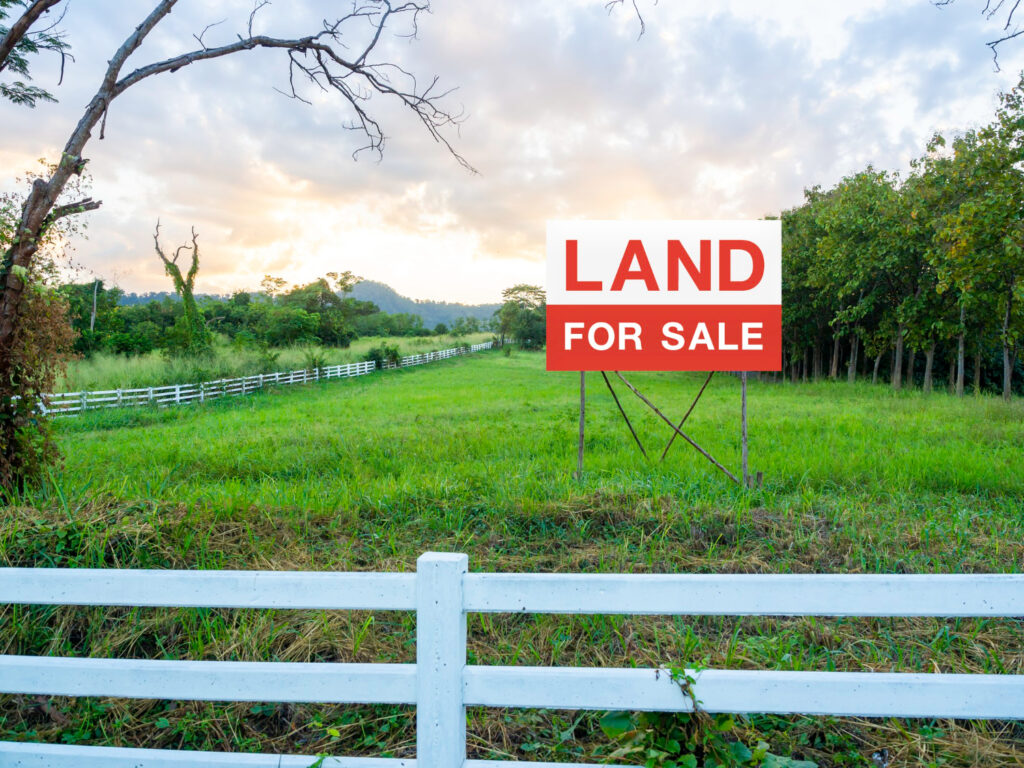
There’s a version of real estate that doesn’t involve inspections, appraisals of finished square footage, or arguing over paint colors — it’s just dirt. Vacant land. And in Kern County, where agriculture, oil production, and wide-open Central Valley acreage all overlap, land deals come with their own particular set of questions that a typical home purchase never raises.
Whether you’re eyeing a parcel to build your future home, looking at raw acreage as a long-term investment, or you’re the one selling land you’ve held for years, this guide walks through what actually matters before you sign anything.
Vacant Land vs. Raw Land: A Quick Distinction
These terms get used interchangeably, but there’s a real difference. Raw land has never been developed — no utilities, no road access guaranteed, nothing but the parcel itself. Vacant land usually means the property has at least some improvements already in place, like utility access at the property line or an existing access road, even though there’s no structure on it. Knowing which one you’re actually looking at changes your entire cost and timeline picture.
What to Check Before You Buy Land in Kern County
1. Zoning and Permitted Use
Zoning determines what you’re actually allowed to do with the land — build a home, run a business, keep livestock, or nothing at all without a variance. Kern County has a wide mix of agricultural, rural residential, and commercial zoning, and what’s allowed on one parcel can be completely different from the lot next door. Before you get attached to a piece of land, confirm with the county what it’s zoned for and what that actually permits.
If the land is under a Williamson Act contract — a common arrangement across California agricultural land that offers reduced property taxes in exchange for keeping the land in agricultural use — that’s an important detail to understand before you buy. It can significantly limit development options and comes with specific rules about breaking the contract early.
2. Mineral and Oil Rights
This is a Kern County-specific issue that catches a lot of out-of-area buyers off guard. Kern County produces more oil than any other county in California, and it’s not unusual for mineral rights on a parcel to have been sold or leased separately from the surface land decades ago. That means you could own the land itself while someone else owns — and can access — what’s underneath it.
Before buying, have a title company run a full mineral rights history on the parcel. If rights have been severed, understand what that means for potential future drilling access, surface use agreements, and how it might affect financing or resale down the line.
3. Water Access and Rights
In the Central Valley, water is arguably more important than the dirt itself. Confirm whether the parcel has an existing well, access to a water district, or neither. If you’re planning to drill a well, look into groundwater basin restrictions in your specific area — some Kern County groundwater basins are subject to state-mandated sustainability plans that can affect new well permitting.
4. Utilities and Access
Ask directly: is there electricity at the property line, or will you need to extend service? Is there legal, recorded road access, or does reaching the parcel require crossing someone else’s land? Unrecorded or informal access arrangements can turn into serious headaches later, especially if you ever want to build or resell.
5. Soil, Topography, and Environmental Factors
If you’re planning to build, a soil assessment can save you from an expensive surprise during construction — some Kern County soils require additional foundation engineering. If the land has any history of agricultural or industrial use, an environmental assessment can flag contamination issues before they become your problem.
6. A Recent Survey
Get a current boundary survey rather than relying on old plat maps or the seller’s description of the fence line. Property lines shift in people’s memory more than they shift in reality, and a survey protects you from boundary disputes down the road.
Financing a Land Purchase
Land loans work differently than home mortgages, and it’s worth knowing that going in:
- Larger down payments. Where a home purchase might require 10-20% down, raw land often requires 20-50%, since lenders see undeveloped land as a higher-risk asset.
- Shorter terms and higher rates. Land loans typically carry shorter repayment terms and higher interest rates than a standard 30-year mortgage.
- Stronger credit expectations. Because land is harder to resell quickly than a finished home, lenders tend to be more conservative about credit requirements.
- Cash is common. A meaningful share of land purchases, especially smaller parcels, happen in cash specifically because financing raw land can be more expensive and more restrictive than financing a home.
If you’re planning to build eventually, ask your lender about construction-to-permanent loan options that can roll the land purchase and future construction into a single financing package.
What Vacant Land Means for Your Property Taxes
Vacant land is still taxed based on assessed value, though often at a lower rate than developed property simply because the assessed value itself is lower. If you’re holding agricultural land under a Williamson Act contract, your tax treatment can look quite different from a standard parcel. Our guide to Kern County property tax rates breaks down how local assessments work if you want the fuller picture before you commit to a purchase.
If You’re Selling Vacant Land
The process looks different from selling a home, and patience matters more here than almost anywhere else in real estate. Land typically takes longer to sell than developed property, partly because the buyer pool is smaller and partly because buyers often need more time to complete due diligence — zoning research, soil tests, and financing arrangements all take longer to sort out.
A few things that help vacant land sell faster:
- Clear, accurate zoning and use information ready to hand to prospective buyers upfront.
- A recent survey, so buyers aren’t starting from scratch on boundaries.
- Documented utility and access details — don’t make a buyer guess whether power is available at the road.
- Realistic pricing based on comparable land sales, not comparable home sales — the two markets don’t move together.
Vacant Land as an Investment
Raw and vacant land can be a genuinely useful piece of a diversified real estate portfolio — it typically has lower carrying costs than a rental property (no tenants, no maintenance calls) and can appreciate meaningfully if you’re patient and the area develops. That said, it also produces no income while you hold it, unless you lease it for agricultural or grazing use, so it’s a different kind of investment than a cash-flowing rental.
If you’re weighing land against other investment property types, our guides on evaluating a real estate investment and real estate investing for beginners cover the broader framework for thinking through returns, holding costs, and timelines — the same principles apply whether you’re comparing a rental home or a raw parcel.
Multifamily and Commercial Land Considerations
If you’re eyeing land with an eye toward eventual multifamily or commercial development, zoning and entitlement questions become even more central to your due diligence. Our Bakersfield commercial real estate guide covers many of the same due-diligence principles — permitted use, utility capacity, and access — in more depth for buyers thinking beyond a single residential build.
A Simple Land Due-Diligence Checklist
Before you make an offer on any parcel, work through this list:
- Confirm zoning and permitted uses with the county
- Check for a Williamson Act contract or other agricultural preserve status
- Run a full mineral and oil rights history
- Confirm water access — existing well, water district, or neither
- Verify electricity and utility access at the property line
- Confirm legal, recorded road access
- Order a current boundary survey
- Get a soil assessment if you’re planning to build
- Check flood zone and environmental history
- Understand the tax treatment for the specific parcel
Quick Answers to Common Land-Buying Questions
Can I get a regular mortgage for vacant land?
No — vacant land uses a different type of financing (a land loan), typically with a larger down payment and shorter term than a standard home mortgage. If you’re planning to build soon, ask about construction-to-permanent loans that combine both phases.
How do I find out if mineral rights have been sold separately?
A title company can run a mineral rights history as part of a title search. Given how common severed mineral rights are in Kern County specifically, this is worth doing even if the seller says the rights are included.
Is agricultural land a good investment if I don’t plan to farm it?
It can be, but understand the trade-offs first. Land under a Williamson Act contract offers tax benefits in exchange for restrictions on development and early-termination penalties if you want to convert it to another use later.
How long does it typically take to sell vacant land?
Longer than a comparable home sale in most cases — the buyer pool is smaller and due diligence takes longer. Pricing realistically and having zoning, survey, and utility information ready upfront both help shorten that timeline.
Do I need a real estate agent to buy or sell land?
It’s not legally required, but land transactions involve enough specialized due diligence — mineral rights, zoning, water access — that most buyers and sellers find real value in working with someone who has handled land deals in the specific area before.
Working With Someone Who Knows Kern County Land
Land deals live and die on details that don’t show up in a typical listing photo — mineral rights history, groundwater basin restrictions, an old easement nobody mentioned. Having someone local who’s actually worked through these issues before is worth more here than almost anywhere else in real estate.
At Lockhart Real Estate Advisors, we work with buyers and sellers across residential, multifamily, and vacant land throughout Kern County. Whether you’re trying to figure out if a specific parcel is worth pursuing or you’re ready to list land you’ve held for years, reach out to our team — we’re glad to walk through the specifics with you before you commit to anything.